What Is Ecommerce Catalog Management? Importance, Best Practices & Challenges
An organized eCommerce product catalog turns browsers into buyers. Use these catalog management tips to elevate your listings and accelerate sales growth



For any eCommerce business, the ultimate goal is to help customers find what they need and make a smooth purchase. No matter how attractive your website looks on your ecommerce platform, it won’t convert if shoppers struggle to locate the right products.
Every successful online store depends on well-structured online catalog with listings complete with detailed descriptions, features, reviews, product prices, and availability. As your business expands, and you add multiple sales channels, keeping this information accurate and consistent becomes challenging. This is the system for organizing product data, ensuring that customers always see reliable, up-to-date information that supports their buying decisions.
This blog shows the importance of product catalog management in eCommerce, the key benefits it brings to your ecommerce business, the common challenges faced, and practical tips to keep your product data clean, consistent, and ready to convert.
What is a Product Catalog?
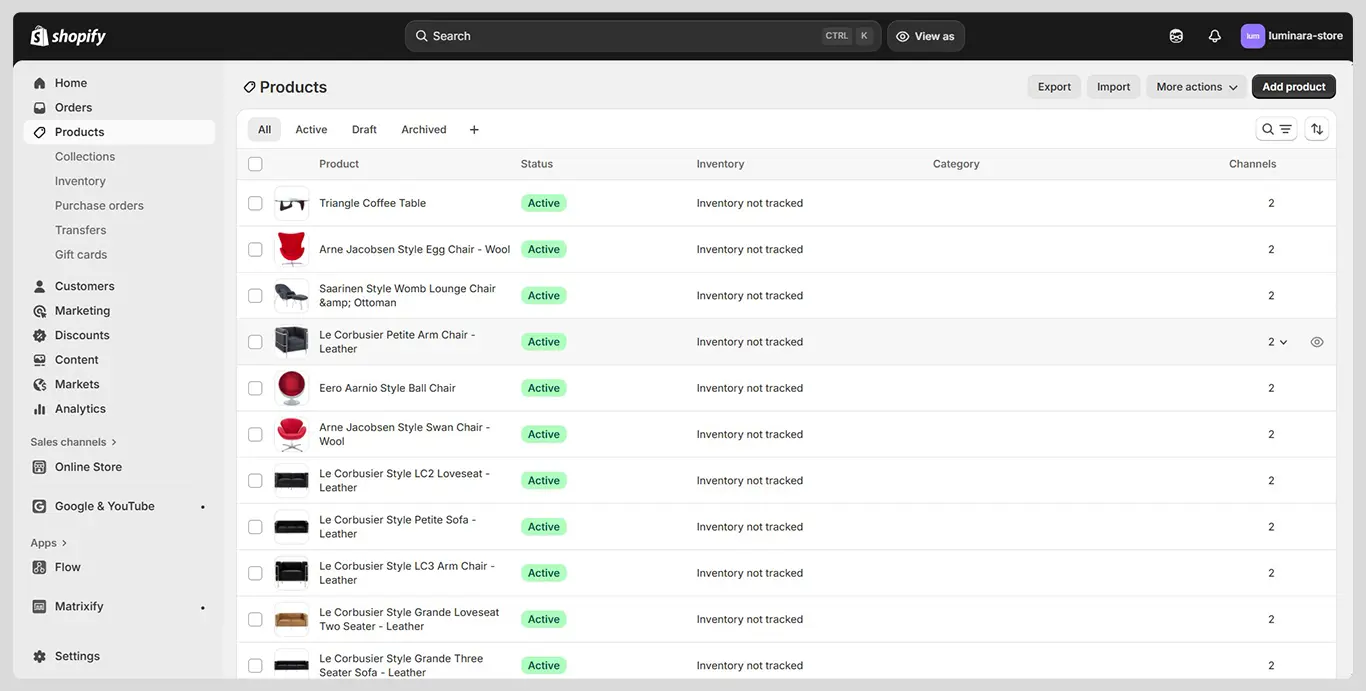
A product catalog is a digital collection of all the items an online store sells. It includes every detail customers need to understand a product and decide whether to buy it. Product details include the item name, description, price, key features, size, weight, product attributes, inventory data, technical specifications, customer reviews, ratings, and more.
Think of it as the backbone of your store's online catalog, presented in a manner that gives a unified customer experience across all digital channels from your ecommerce website to online marketplaces and social media platforms.
What a Product Catalog Includes
Every product in the catalog usually has:
- Product Name – The name of the product.
- Product Description – A clear description of the product, what it does, and why it is useful.
- Price – The cost of the product.
- Product Images – High-quality images showing the product from different angles.
- Specifications / Features – Important highlights like size, color, material, weight, etc.
- Category & Subcategory – Organizes the product within the store category.
- Stock Information – To know if the product is available or out of stock
- SKU / Product ID – A unique identifier for tracking the product.
- Variations – Different colors, sizes, or models.
- Customer Reviews & Ratings – Feedback from buyers to build trust.
What is an Ecommerce Product Catalog Management?
Catalog management includes creating, organizing, and maintaining a list of products across multiple sales channels. It ensures that the information provided is accurate, consistent, and easy for customers to browse.
A well-managed catalog makes shopping smooth and enjoyable, helping customers find what they need quickly. Without proper catalog management, even the most extensive product catalog can become confusing, outdated, or disorganized, leading to frustration and lost sales.
Catalog management can greatly increase online sales and raise average order value by making products easier for customers to find. Including targeted long-tail keywords in product titles, descriptions, and metadata helps boost organic search visibility.
What is the Importance of Ecommerce Catalog Management?
A well-organized and comprehensive product catalog is the gap between making a sale and losing a customer. Here is why it plays such an important role in eCommerce:
Makes Products Easy to Find
A well-organized product catalog makes it easy for customers to find what they need. Clear categories, helpful filters, and consistent product attributes make shopping easier and increase the chances of a sale.
Builds Customer Trust
Accurate product descriptions, detailed specifications, and high quality images reassure buyers that they are making the right choice. Trustworthy information reduces hesitation, prevents returns or complaints and increases confidence in your brand.
Supports Smarter Buying Decisions
A complete catalog provides all the information needed by customers to know the product and make an informed decision. This leads to fewer questions, fewer returns, and a better overall shopping experience.
Boosts Search Visibility (SEO)
Search engines favor detailed and well-structured product data. A strong catalog uses relevant keywords to improve your store’s visibility on search results and different sales channels, driving more traffic to your store and potential sales.
Enables Consistent Multi-Channel Selling
If you sell on platforms like Amazon, eBay, social media, or your own website, good catalog management keeps product information are consistent across multiple channels. This helps build trust, avoid mistakes, and makes it easier for customers to shop.
Increases Conversion Rates
Organized product information helps make better decisions.
A perfect product catalog answers customer questions before they are asked leading to reduced bounce rates, longer browsing time, and more “Add to Cart” actions on your product pages.
Strengthens Brand Image
A clean, professional, and uniform product catalog reflects a trustworthy brand. It shows shoppers that you care about quality and they respond with loyalty.
Helps You Compete in a Crowded Marketplace
In the world of eCommerce online shopping, where hundreds of competitors sell similar products, catalog management is your advantage. A better catalog gives a better shopping experience, gains loyal customers, and helps your business stand out in a competitive market.
Top 5 Benefits of Professional Catalog Management
- A well-managed catalog ensures that all item details are accurate and up-to-date across your platform and marketplaces.
- Reduces the time and effort needed to update item listings without lagging. It is error-free and precise, allowing businesses to adapt to changes quickly.
- Optimizing metadata information, descriptions, and titles in an efficient catalog management process helps increase items search engine visibility and helps your business rank No. 1.
- Attain improved customer satisfaction through data quality management by keeping goods information relevant, making it easier for customers to find and buy what they need. This reduces mistakes, speeds up the process, and makes shopping more enjoyable, leading to happier customers.
- It enhances the customer experience, improves search engine visibility, streamlines inventory management, and boosts sales efficiency and revenue.
Best Practices for Ecommerce Catalog Management?
Customers are well-informed. Once they feel the online store's item information is complete and genuine, they will only trust your brand or buy from you. So, you must optimize your website with informative and accurate content.

Ensure to include full details in your item catalog
Providing all the information is important for a customer to check what you sell. This involves providing accurate information, technical attributes, videos, and images, managing inventory levels, measurement units, item usage combinations, and customer reviews. See to that the information is clear and easy to find.
Take time to analyze whether the website's information is up-to-date
Cross-check information like product details and ever-changing inventory information. If possible, assign this task to an individual, efficient product data entry specialist who is aware of the frequent fluctuations. You can even synchronize your web store inventory with ERP inventory records. This way, the necessary data gets updated.
Conduct Regular Audits
Periodically review your entire catalog for errors, missing field, outdated images, or broken category structures. Ongoing audits help maintain data quality and ensure your catalog remains accurate and conversion-friendly.
Use High Quality Media Assets
High quality product images and videos influence buying decisions. Provide high resolution images from multiple angles, maintain consistent backgrounds and lightings, and add life style images and videos wherever possible.
Standardise Product Titles and Descriptions
Consistent naming conventions and detailed descriptions that show the benefits to customers help user quickly understand what each product offers. Include relevant keywords naturally, highlight key features and benefits and avoid duplicates and over generic content.
Simple Checkout Process
Make the checkout process simple by reducing the steps to complete a purchase and fill form can minimize cart abandonment. Provide guest checkout, auto fill customer details and ensure the process is fast, mobile-friendly, and transparent about shipping costs.
Clear Categories
Adding products in the right categories and offering good filters and sorting options makes it easier for users find what they need quickly.
Mobile Friendly Design
With mobile use on the rise, ensure your entire catalog is mobile-friendly. Use responsive design, optimize loading times, and make navigation easy on smaller screens to provide a pefect shopping experience for mobile users.
What are the Challenges in Catalog Management?
Data Accuracy
Keeping accurate and up-to-date product information across platforms and digital sales channels is a major challenge in Catalog Management.
Errors in product descriptions, specifications, pricing, or images can lead to operational issues, upset customers, and harm your brand’s reputation.
Data Enrichment
Enriching product listings with detailed attributes, rich media, and metadata is time-consuming and resource-intensive. However, properly enriched data improves product discoverability, search performance, and the overall customer shopping experience. Learn more about our product data enrichment in our detailed blog on how product enrichment impacts ecommerce performance.
Expanding Catalog
As businesses grow, adding new products and managing a larger catalog becomes increasingly complex. Without proper processes, adding new SKUs can lead to inconsistent or incomplete listings. Therefore, listing products professionally in the website database is a crucial challenge for effective catalog management.
Consistent Data Quality
Inconsistent data cause confusion, errors, and decreased customer trust. Managing extensive product catalogs with numerous SKUs often leads to mistakes that reduce the quality and uniformity of data.
Create Rich Metadata
Metadata is a vital element of search engine optimization and product visibility. According to a report from the Webmaster Tool and different search engine analytics, frequently changing metadata boosts page visibility in Google, Bing, Yahoo, etc.
Poor Categorization
One of the significant challenges in catalog management is poor categorization. When items are listed in wrong categories, customers become confused and are unable to find their preferred items, leading to a negative impression of the online store. Thus, ensuring proper categorization is important for effective catalog management.
How do you Improve Your Online Store's Item Catalogs?
Improving your online store’s catalog is key to keeping customers happy and increasing sales. Clear and organized product catalog helps attract and retain shoppers.
Organize items into logical categories, enrich listings with detailed attributes and metadata, and optimize them for SEO. Properly manage product variants and run regular quality checks to eliminate errors and duplicates.
A well-structured, comprehensive catalog not only makes shopping easier for customers but also drives higher visibility, trust, and sales.
Final Thoughts on Ecommerce Catalog Management
Your product catalog is the face of your business in the online marketplace. So, it would be best if you take extra care to keep the catalog up-to-date. Follow the tips and tricks mentioned here to amplify your brand's visibility. Implementing digital asset management can further enhance the efficiency and accuracy of your catalog management processes.
Mismanaged data and poor product data entry can slow growth, frustrate customers, and overwhelm your sales team. Intellect Outsource efficient catalog management services that turn raw product data into custom catalogs designed to enhance the buying process, improve accuracy, and deliver measurable results for your business. With our expertise in catalog management, you can focus entirely on enhancing your brand.
FAQ on Ecommerce Catalog Management
Why is a PIM system considered essential for Catalog Management?
A catalog management tool (often part of PIM or Product Information Management system) is essential because it acts as a single source of truth for all product data. Instead of scattering information across multiple systems (like spreadsheets, an ecommerce website, and an order management system), the PIM provides a centralized database. This unified approach prevents errors, simplifies data management, and ensures that all digital catalogs are consistent.
What are the consequences of poor catalog management?
Poor catalog management can lead to inconsistent product information, pricing errors, and a complicated purchasing process. It can reduce customer satisfaction, slow down sales efficiency, and negatively impact overall business performance.
How can custom catalogs enhance the purchasing experience?
Product catalogs allow businesses to tailor product selections for specific customer segments. Using purchase history and sales data, they make the order process more personalized, helping ecommerce businesses close deals faster.
How does enterprise resource planning (ERP) integrate with catalog management?
An enterprise resource planning (ERP) system often integrates with catalog management systems to synchronize inventory, pricing, and order data. This ensures proper data ownership and reduces errors in the ecommerce workflow.


